
A Living on Earth radio article draws a connection between atmospheric carbon and the nutritional value of staple food. Staple foods grown in elevated concentrations of CO2 result in a decrease of iron, zinc and protein. These results are reproduced in an experiment where staple foods are grown in a CO2 controlled environment.
This time of year, the hives have a stinky smell. Imagine the smell of hiking boots or dirty gym socks. Strong un-sweet notes can be found in pockets around the hives. I have goldenrod to thank for this smell. Goldenrod is a vital late summer forage for honey bees. I was surprised to see that this radio article also speaks to how goldenrod protein decreases as CO2 increases. Goldenrod pollen samples taken now have 30% less protein than samples from 1850's. In the same way, these results are reproduced in an experiment where goldenrod is grown in a CO2 controlled environment.
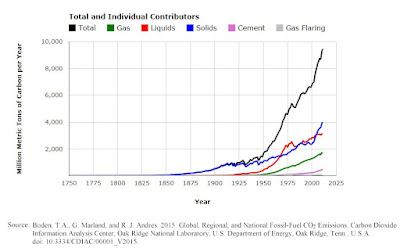
Have a look at the graph showing the CO2 increase since the 1850's. I expect a further decline of staple foods and goldenrod nutrition in the future.
This time of year, the hives have a stinky smell. Imagine the smell of hiking boots or dirty gym socks. Strong un-sweet notes can be found in pockets around the hives. I have goldenrod to thank for this smell. Goldenrod is a vital late summer forage for honey bees. I was surprised to see that this radio article also speaks to how goldenrod protein decreases as CO2 increases. Goldenrod pollen samples taken now have 30% less protein than samples from 1850's. In the same way, these results are reproduced in an experiment where goldenrod is grown in a CO2 controlled environment.
Have a look at the graph showing the CO2 increase since the 1850's. I expect a further decline of staple foods and goldenrod nutrition in the future.


